
"Philippine coffee"
140 article(s) found
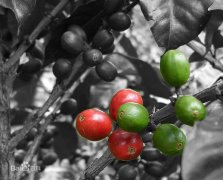
The Philippines also has coffee with Filipino coffee flavor.
Coffee was introduced into the Philippines (Philippines) in the early 19th century, and by 1880 the country had become the fourth largest coffee exporter in the world. However, due to the spread of coffee rust, the country became a coffee importer shortly after 1880. However, the coffee growing industry has gradually recovered. Today, after slow and steady development, the country's coffee industry continues to grow and develop quality.
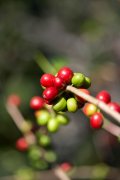
High quality Arabica coffee from the Philippines
Coffee was introduced to the Philippines in the early 19th century and by 1880 the country had become the fourth largest coffee exporter in the world. However, due to the spread of coffee rust, the country became a coffee importer shortly after 1880. However, coffee farming has gradually resumed. Today, after slow but steady growth, the coffee industry in the country continues to grow and develop quality coffee.

Coffee producing area-Philippines
Coffee was introduced into the Philippines (Philippines) in the early 19 th century, and by 1880 the country had become the world's fourth largest coffee exporter. However, due to the spread of coffee rust, the country became a coffee importer soon after 1880. However, the coffee growing industry has gradually recovered. Today, after slow and steady development, the country's coffee industry continues to grow and develop high-quality varieties.
Asian Coffee Origin Philippines
Great prospects. Coffee was introduced to the Philippines in the early 19th century and by 1880 the country had become the fourth largest coffee exporter in the world. However, due to the spread of coffee rust, the country became a coffee importer shortly after 1880. However, coffee farming has gradually resumed. Today, after slow but steady growth, the coffee industry in the country continues to grow.
The Philippines, once the fourth largest coffee exporter in the world.
There is a bright future. Coffee was introduced into the Philippines (Philippines) in the early 19 th century, and by 1880 the country had become the world's fourth largest coffee exporter. However, due to the spread of coffee rust, the country became a coffee importer soon after 1880. However, the coffee growing industry has gradually recovered. Today, after slow and steady development, the country's coffee industry is growing.
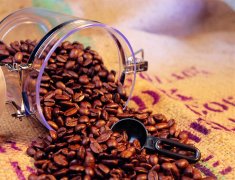
Starting with Coffee beans (46)-Asia-Philippines
There is a bright future. Coffee was introduced into the Philippines (Philippines) in the early 19 th century, and by 1880 the country had become the world's fourth largest coffee exporter. However, due to the spread of coffee rust, the country became a coffee importer soon after 1880. However, the coffee growing industry has gradually recovered. Today, after slow and steady development, the country's coffee industry is growing.
Coffee beans Asia Philippines
There is a bright future. Coffee was introduced into the Philippines (Philippines) in the early 19 th century, and by 1880 the country had become the world's fourth largest coffee exporter. However, due to the spread of coffee rust, the country became a coffee importer soon after 1880. However, the coffee growing industry has gradually recovered. Today, after slow and steady development, the country's coffee industry is growing.
Philipines Philippines, producer of boutique coffee beans
There is a bright future. Coffee was introduced into the Philippines (Philippines) in the early 19 th century, and by 1880 the country had become the world's fourth largest coffee exporter. However, due to the spread of coffee rust, the country became a coffee importer soon after 1880. However, the coffee growing industry has gradually recovered. Today, after slow and steady development, the country's coffee industry is growing.

53 coffee producing countries
01. Costa Rica 15. Bolivia 29. Madagascar 43. India 02. Cuba 16. Brazil 30. Mozambique 44. Indonesia 03. Dominican Republic 17. Colombia 31. Rwanda 45. Reunion 04. El Salvador 18. Ecuador 32. Blame Heller for taking 46. Philippine law

Coffee flavors from different coffee producing areas in the world coffee producing areas in the Philippines
Philippine coffee was introduced into the Philippines (Philippines) in the early 19th century, and by 1880 the country had become the fourth largest coffee exporter in the world. However, due to the spread of coffee rust, the country became a coffee importer soon after 1880. However, the coffee growing industry has gradually recovered. The origin of coffee in the Philippines: the Philippines is less able to grow 4 varieties of coffee
The Philippines is one of the few countries that can grow four varieties of coffee
Coffee was introduced into the Philippines (Philippines) in the early 19th century, and by 1880 the country had become the fourth largest coffee exporter in the world. However, due to the spread of coffee rust, the country became a coffee importer shortly after 1880. However, the coffee growing industry has gradually recovered. Today, after slow and steady development, the country's coffee industry continues to grow and develop quality.
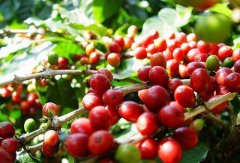
Mindanao, the second largest island in the southernmost part of the Philippines, produces high quality and high yield Arabica coffee.
Coffee was introduced into the Philippines (Philippines) in the early 19th century, and by 1880 the country had become the fourth largest coffee exporter in the world. However, due to the spread of coffee rust, the country became a coffee importer shortly after 1880. However, the coffee growing industry has gradually recovered. Today, after slow and steady development, the country's coffee industry continues to grow and develop quality.

The four varieties in the Philippines are Robast, Liberica, Exelsa and Arabica
Fine coffee is fresh coffee. Whether it's food or drink, the fresher the better, and so is specialty coffee. Coffee beans should be kept fresh before making fine coffee, including the preservation of roasted beans, and the coffee beans should be ground before making, which is also to retain its most original and best flavor. And hand brewed coffee making is such a way to make fine coffee
International Coffee Organization
International Coffee Organization during the 19th century, coffee became an important international trade because of the large number of demand. It makes most countries earn foreign exchange from coffee export trade as a source of money income for farmers and is an important trade in most countries. Because the split led to changes in prices and product standards, it ended at a conference in New York in 1962.

Coffee grounds painting a little bit of fun in life
Livabranda, a Filipino nursing student, has magical hands. She uses the coffee grounds we usually drink to create wonderful and lovely pictures, some with 3D effects. Liva said she was inspired by her father. Her father is a coffee drinker who always pours out a lot of coffee grounds after drinking coffee. Livazi

Flavor characteristics of special washed Ugandan coffee in Yega Sheffield, SL14 species of the White Nile, Uganda
Professional coffee knowledge exchange more coffee bean information please follow the coffee workshop (Wechat official account cafe_style) Uganda White Nile SL14 species Yega Sheffield Special washing Origin: NEBBI,ZOMBO,UGANDA treatment Plant: WHITE NILE altitude: 1450m 1800m treatment: washing flavor: cherry, toffee, floral white Nile washing station was established in 201

The pronunciation of coffee around the world
Have you ever thought about how coffee is pronounced in different countries? Let's learn the pronunciation of coffee in some of the following countries. Afrikaans: koffie (coffee) Albania: kafe (pronounced KA-fey) Amharic: sodium butadiene rubber (pronounced boona) Arabic: qahioa qahua or qahwe (Q's throat, obviously low voice, which sounds more like together (for example) Fei A

El Salvador coffee beans with strong fruit flavor Introduction El Salvador coffee beans characteristics
The difference between water washes is dramatic. This coffee has intense fruity flavours ranging from dried earth, raisins, honeydew melon, dried banana, maltose syrup and wild honey. There is also a hint of tobacco. We can feel a very strong, rustic syrup aroma, rich spices, when deep baked with liqueur feel. This is definitely not like what you tried before.

Name of the producing country of the International Coffee Organization
International Coffee Organization during the 19th century, coffee became an important international trade because of the large number of demand. It makes most countries earn foreign exchange from coffee export trade as a source of money income for farmers and is an important trade in most countries. Because the split led to changes in prices and product standards, it ended at a conference in New York in 1962.